特工17 (Agent17)
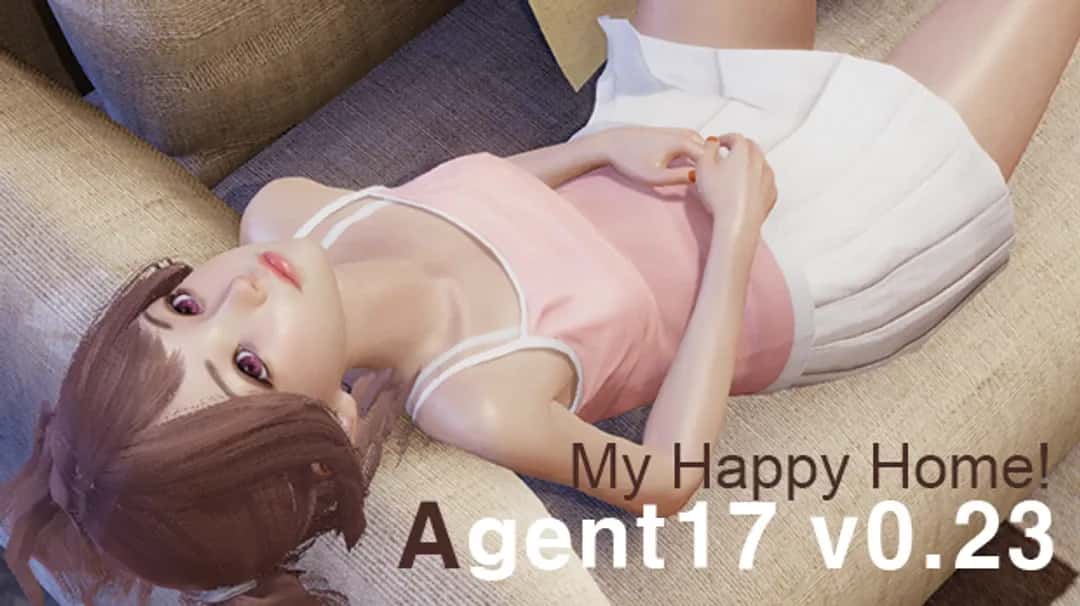
特工17(Agent17)官方中文网站,免费下载最新版本。这是一款由HEXATAIL制作的沙盒SLG游戏,建模精致,剧情丰富,亚洲风格角色设计。
特工17(Agent17)官方中文网站,免费下载最新版本。这是一款由HEXATAIL制作的沙盒SLG游戏,建模精致,剧情丰富,亚洲风格角色设计。
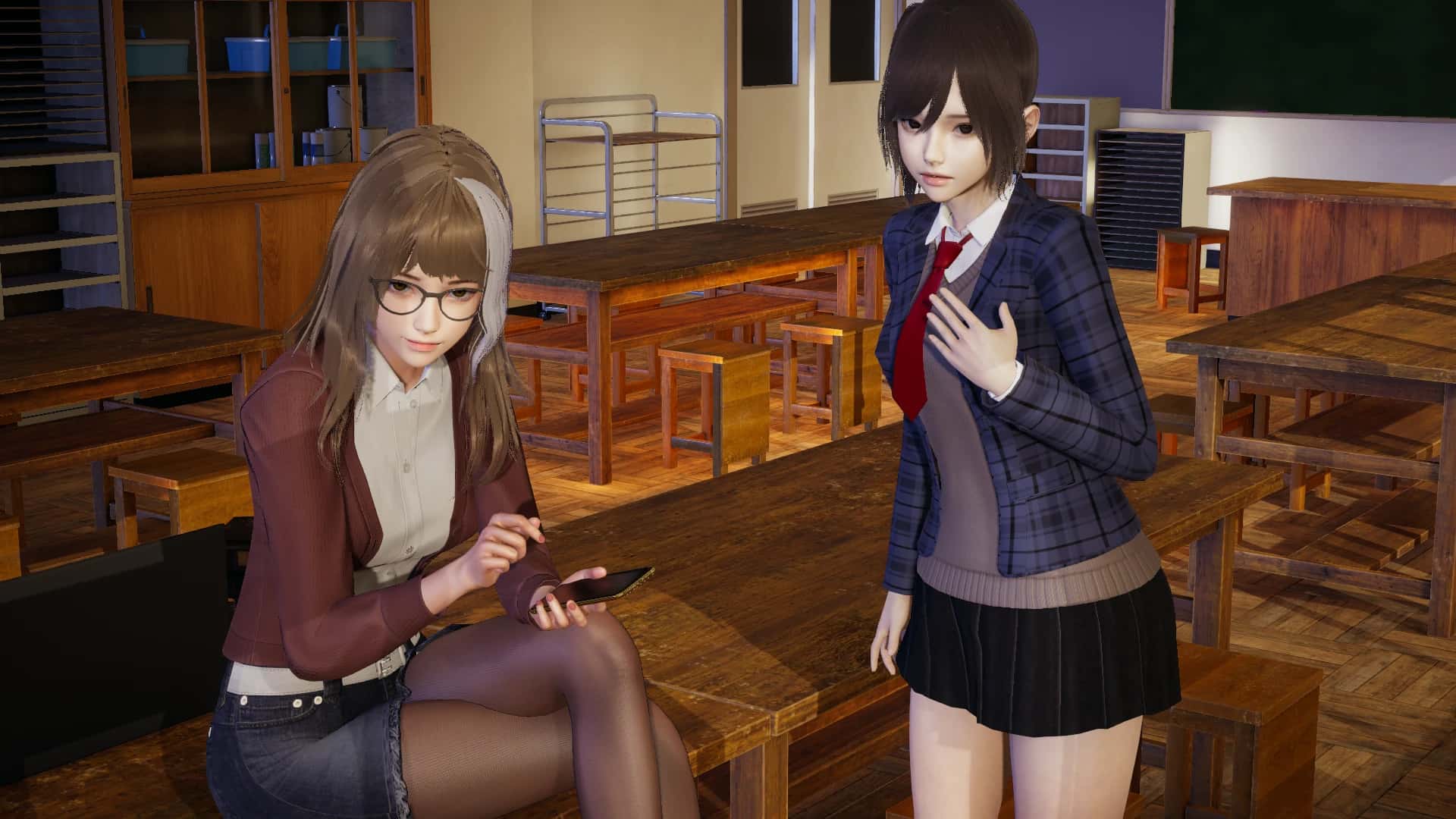
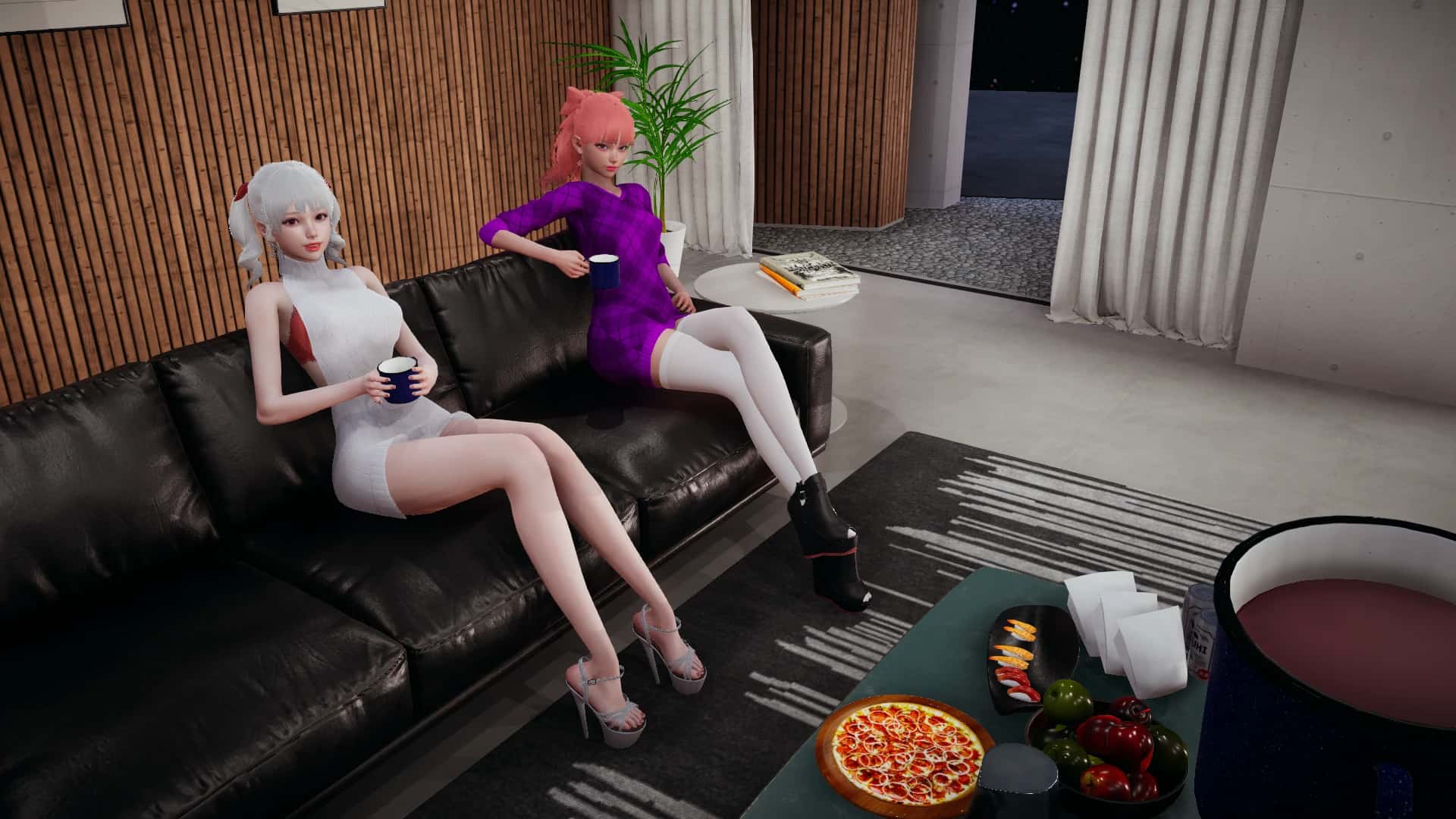
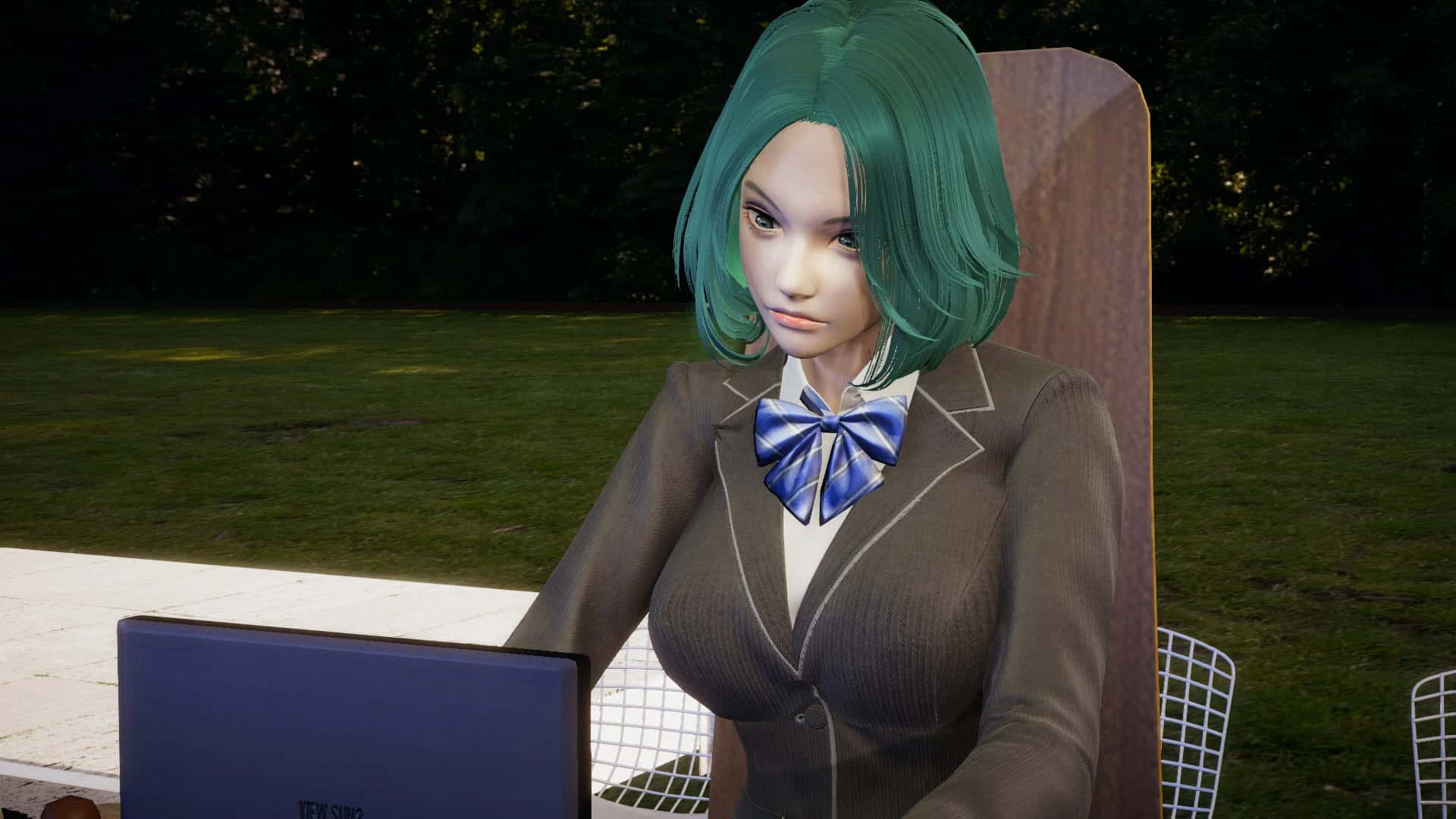
次世代引擎制作的新世代亚洲风格作品,建模符合国人口味。刚刚大学毕业的你,应聘到一家游戏公司当开发人员,因为囊中羞涩只得和别人合租公寓,幸运的是同居的都是很好的室友!公司里面也有号称六天使的6位优秀同事!你的职场生活就要开始啦~ 《我真正的愿望》是一款由【Oldcat】制作的次世代引擎游戏,采用AI大模型汉化,汉化质量达到精翻水平。游戏采用AI少女引擎制作,建模非常符合我们国人的审美口味,题材围绕职场风云和人际关系展开,玩法采用沙盒模式,自由度极高。 我真正的愿望游戏截图展示职场场景 故事背景设定在现代都市,主角刚刚大学毕业,应聘到一家游戏公司担任开发人员。由于经济拮据,主角只能选择与他人合租公寓,但幸运的是,合租的室友中有许多美丽的女性。不仅如此,在公司里还有被称为"六天使"的6位绝美同事等待着与你相遇。 我真正的愿望游戏角色互动场景 游戏的核心玩法围绕角色互动和剧情推进展开。玩家需要通过与不同角色的深入交流,了解她们的性格特点和个人喜好,从而解锁更多精彩的剧情内容和CG画面。游戏中的每一个选择都可能影响故事的发展方向,带来不同的结局体验。 游戏特色 次世代画质 采用AI少女引擎制作,次世代级别的画面表现,建模精美,符合亚洲审美 丰富角色 多位性格各异的女性角色,包括合租室友和公司"六天使",每个角色都有独特魅力 沙盒玩法 高自由度的沙盒模式,玩家可以自由选择互动方式和剧情发展方向 全动态CG 206个新场景,38个新动画,全动态CG效果,视觉体验超级震撼
《我真正的愿望》是一款高自由度的沙盒模拟游戏,对于初次接触的玩家来说,掌握基础操作是享受游戏乐趣的关键。本攻略将详细介绍游戏的核心操作方法,帮助新手玩家快速上手。
基础操作指南
1. 游戏启动与界面介绍
启动游戏后,你会看到主菜单界面。点击"开始游戏"进入游戏世界。游戏采用第一人称视角,界面简洁直观,左上角显示时间和日期,右上角显示角色状态信息。
2. 角色移动控制
使用键盘方向键或WASD键控制角色移动:
W键或↑键:向前移动
S键或↓键:向后移动
A键或←键:向左移动
D键或→键:向右移动
Shift键:加速跑步
3. 互动系统
游戏中的互动是核心玩法之一。当你靠近可互动的物品或角色时,会出现提示图标:
Z键:拾取物品或与角色对话
X键:查看物品详情
C键:打开背包
Tab键:打开游戏菜单
对话系统详解
与角色对话是推进剧情的重要方式。对话界面会显示角色头像和对话内容,你可以通过点击选项或使用数字键1-4来选择回应。不同的选择会影响角色好感度和剧情发展方向。
对话技巧
仔细阅读对话内容,理解角色的性格特点
选择符合角色喜好的回应选项
注意观察角色的表情变化
适时使用道具增加互动效果
时间管理系统
游戏采用时间流逝系统,每天分为早晨、上午、下午、晚上四个时段。合理安排时间是游戏成功的关键:
早晨:适合进行体力恢复活动
上午:工作时间,与同事互动的好机会
下午:继续工作或进行个人活动
晚上:与室友互动,推进感情线
新手常见问题
Q: 如何提升角色好感度?
A: 通过日常对话、赠送礼物、完成角色任务等方式可以提升好感度。每个角色都有不同的喜好,需要针对性地进行互动。
Q: 游戏中如何存档?
A: 按Tab键打开菜单,选择"存档"选项。建议在重要剧情节点前进行存档,以便回档重新选择。
Q: 如何解锁新的CG场景?
A: CG场景通过推进角色剧情线解锁。提升角色好感度到一定程度,完成特定任务或做出正确的对话选择都可能触发新的CG。
掌握这些基础操作后,你就可以开始享受《我真正的愿望》带来的精彩体验了。记住,这是一款重视角色互动和剧情发展的游戏,耐心和细心是成功的关键。祝你游戏愉快!
在《我真正的愿望》中,与角色建立良好关系是游戏的核心玩法。每个角色都有独特的性格和喜好,掌握正确的互动技巧能够快速提升好感度,解锁更多精彩剧情和CG场景。
角色好感度系统解析
游戏中的好感度分为五个等级:陌生、熟悉、好友、亲密、恋人。每个等级都会解锁不同的互动选项和剧情内容。好感度的提升主要通过以下方式:
日常对话互动
赠送角色喜欢的礼物
完成角色专属任务
在关键剧情中做出正确选择
参与角色的兴趣爱好活动
公司"六天使"攻略指南
1. 温柔型角色攻略
这类角色性格温和,喜欢被关心和保护。与她们互动时要表现出绅士风度,多关心她们的日常生活,选择温柔体贴的对话选项。推荐礼物:鲜花、甜点、温馨小物件。
2. 活泼型角色攻略
活泼开朗的角色喜欢有趣的互动和新鲜事物。与她们对话时可以选择幽默风趣的选项,邀请她们参加各种活动。推荐礼物:游戏道具、时尚饰品、娱乐用品。
3. 知性型角色攻略
知性角色重视内在修养和深度交流。与她们互动时要展现你的学识和思考能力,讨论工作、书籍、艺术等话题。推荐礼物:书籍、艺术品、高雅饰品。
室友互动策略
与室友的互动更加日常化,需要注意以下几点:
早晨和晚上是最佳互动时间
主动帮助处理家务事
关注她们的情绪变化
适时给予私人空间
共同观看电视或进行娱乐活动
高级互动技巧
时机把握
不同时间段角色的心情状态不同,选择合适的时机进行重要对话能够事半功倍。一般来说,工作日的午休时间和周末是最佳互动时机。
情绪观察
注意观察角色的表情和语气变化,当角色心情不好时,应该选择安慰和关心的选项,而不是强行推进剧情。
多线发展
游戏支持同时发展多条感情线,但要注意平衡各角色的好感度,避免因为偏重某个角色而错过其他精彩内容。
角色互动是《我真正的愿望》最有魅力的部分,通过细心观察和耐心互动,你将体验到丰富多彩的人际关系和感人至深的剧情故事。记住,真诚是最好的互动技巧!
《我真正的愿望》V.Epilogue Full版本包含206个精彩场景和38个全动态CG,本攻略将帮助你完整收集所有CG内容,不错过任何精彩瞬间。
CG解锁机制详解
游戏中的CG主要分为以下几个类型:
剧情CG:通过推进主线剧情自动解锁
角色CG:达到特定好感度等级解锁
事件CG:完成特定任务或触发特殊事件
结局CG:达成不同结局条件解锁
隐藏CG:需要满足特殊条件才能发现
主线剧情CG收集
第一章:初入职场
这一章的CG主要围绕主角初入公司的经历展开。重要场景包括:
公司面试场景(自动解锁)
初遇六天使场景(自动解锁)
第一天工作场景(自动解锁)
合租公寓介绍场景(自动解锁)
第二章:关系建立
这一章开始出现分支剧情,需要注意选择:
与同事共进午餐(选择不同角色会有不同CG)
加班场景(需要主动选择加班)
室友夜谈场景(晚上回家触发)
角色专属CG攻略
菲伊结局线CG
菲伊是温柔型角色,她的CG解锁条件:
好感度达到"好友"等级:解锁咖啡厅约会CG
好感度达到"亲密"等级:解锁私人对话CG
完成菲伊专属任务:解锁特殊事件CG
选择菲伊结局:解锁结局专属CG(3个)
安吉拉结局线CG
安吉拉是知性型角色,解锁条件较为复杂:
工作表现优秀(完成所有工作任务)
与安吉拉进行深度交流(选择知性对话选项)
帮助安吉拉解决工作难题
选择安吉拉结局:解锁结局专属CG(4个)
完美结局CG收集
完美结局是游戏的特殊结局,需要同时维持多个角色的高好感度:
所有主要角色好感度达到"亲密"以上
完成胜利者路线的所有任务
在关键选择点选择"完美选项"
成功解锁完美结局:获得5个专属CG
隐藏CG发现技巧
时间限定CG
某些CG只在特定时间段出现,需要注意:
深夜场景:需要在晚上11点后进行特定互动
周末特殊事件:只在周六日触发
节日限定:在特定日期会有特殊CG
多周目解锁
部分CG需要多周目才能解锁:
第二周目会开放新的对话选项
携带前周目的记忆可以触发特殊剧情
不同结局的组合会解锁额外CG
CG收集检查清单
为了确保不遗漏任何CG,建议按照以下清单进行检查:
主线剧情CG(共45个)
菲伊线CG(共28个)
安吉拉线CG(共32个)
其他角色CG(共76个)
完美结局CG(共15个)
隐藏和特殊CG(共10个)
收集全部CG需要耐心和多次游玩,但每一个CG都是精心制作的艺术品,值得你花时间去发现和欣赏。记住使用存档功能,在关键选择点前保存进度,这样可以更轻松地体验不同的剧情分支!
开始你的复古游戏之旅